Showing posts with label #storymakers19. Show all posts

Sunday, November 22, 2020

The Psychology of What Your Character Wants by Erin Steward #storymakers class notes

This was an excellent class on the psychology of need! 


Let's start with:

What does your character need??

CONFLICT
Why she can't have what she wants

PLOT
What she'll do get what she wants

ANTAG:
This character will try and stop her

CAST:
The ones who will help her

STAKES:
What happens if she doesn't get it?


Psychology of Needs


Physiological needs (lowest level)
       Physical needs, central to plot
           Air, shelter, food, sleep, clothes 

I.E. Hunger Games


Safety Needs 
    Personal security, employment, health, property, disaster

I.E. Jurassic Park 

*I am unsafe*
(These two levels are intrinsic to survival and we understand it) 


Love and belonging
       Friendship, intimacy, family, the need to be accepted

I.E. Little Women

*I am unlovable*


Esteem
    Respect, self-respect, statues, the need to achieve competence

I.E. Tom Sawyer

*I am worthless*


Self-Actualization
    Desire to become the most, need to know 

I.E. Walter Mitty

*Life is pointless*


WOUNDS:
How the character sees the world 
    Create coping strategies we think are saving us, but actually pushes people away

I.E. Woody's lie: To be happy you have to be the favorite toy
        Buzz needs: love and belonging
 
Characters won't always climb steadily up

I.E. Katniss
        Sometimes she wants food, to keep Prim safe, stay alive, save Rue, win
        Katniss needs to survive on her own terms


NOW put what you've learned to use:

    Psychoanalyze your characters needs
        List the character's needs
        Which aren't being?
        Which is the strongest?
        What does she most?
        What does she assume to be true about self

WHAT 3 things does your character value most?
        Create the plot line by threatening all or some of their values

Middle sag?
        List each major decision character makes
        Make sure each is constant with original motivation

Analyze the side characters

EXAMPLE using Frozen 

THEME:
    Love
    Ice is locking out love

ELSA
:
    Wound: Hurt Anna 
    Lie: People are better off without her
    Wants: Love from anyone
    Needs: to know what true love is


KRISTOFF
:
    Wound: Abandoned
    Lie: Better off alone
    Wants: to be alone
    Needs: let love in


HANS
(antag):
    Wound; Ignored
    Lie: you need power to be worthy of love 
    Wants: to be important
    Needs: feel loved and appreciated


OLAF
:
    Wants and needs warm hugs


Sunday, October 18, 2020

Is This A Kissing Book? Sara B. Larson #storymakers class notes


Who likes romance books? 

*raises both hands* 
ME TOO

Sara Larson has some good romance in her books, so I was excited to 'go' to her class! 

Romantic tension deepens the characters relatability. 

Here are some tips:

Dialogue~ Use witty banter, verbal jousting, conversations where they reconcile

Action ~ they face difficulties and challenges together, forces characters to interact

Resistance ~ characters resist each other


DON'T rush the moments before the kiss! Engage as many senses as possible, NOT just the mouth and lips (heartbeats, arms, hands, sounds, smells, sight)


Best kissing line? For me, it was from Sweet Home Alabama! What about you??


Monday, September 9, 2019

Must-Have Moments by Jen Nielsen

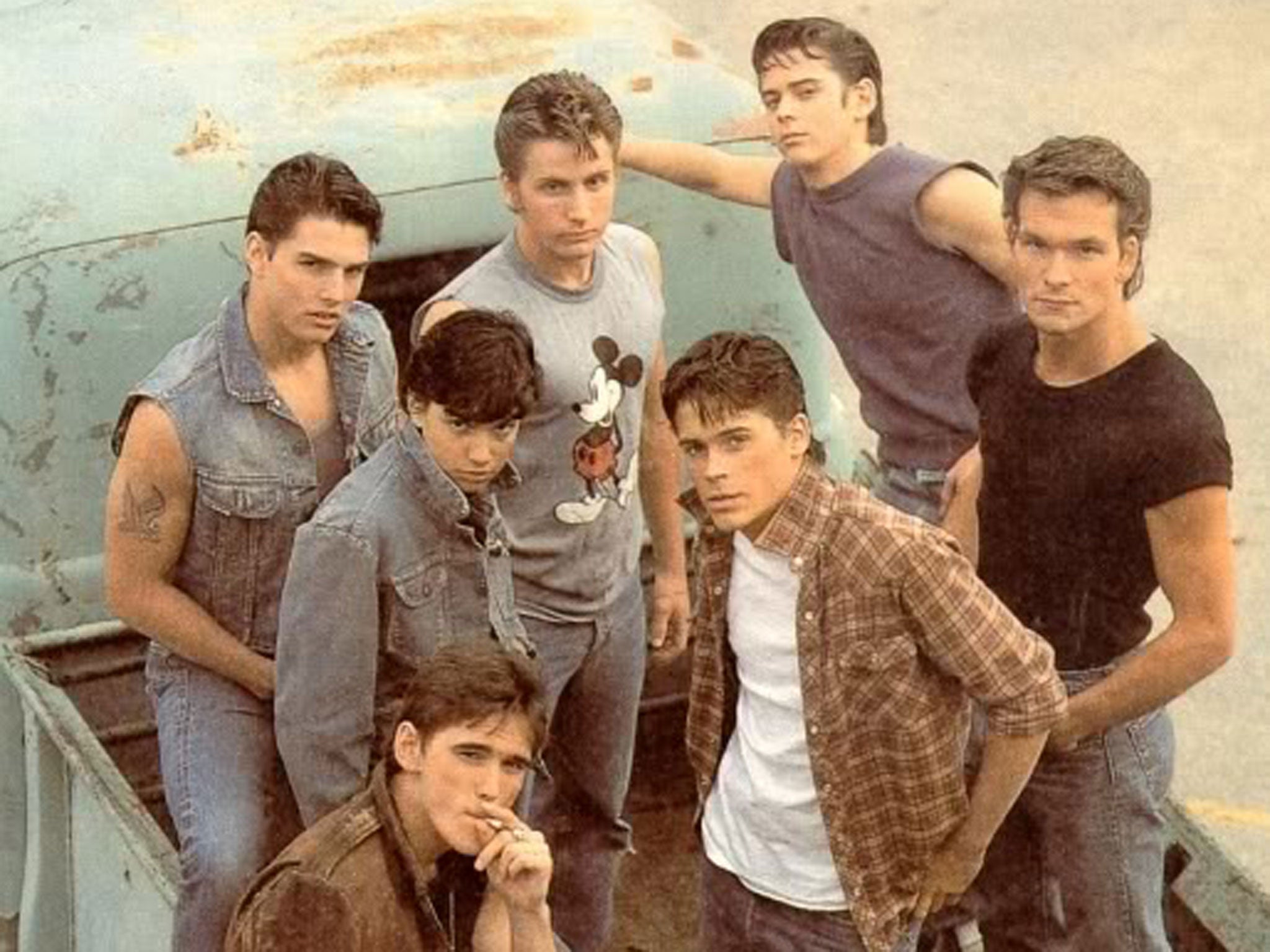
Jen also talked about everything in story and how to make scenes better (using OUTSIDERS as an example):


Story

1.     Inciting Incident
a.     Ponyboy heads home late
2.     Complication
a.     One wants something but the other will not or cannot give it
b.     Both want something
c.     If one gets it, the other loses
d.     Darry is mad. If Pony gets his freedom, Darry loses his control over brothers

3.     Crisis
a.     Sodapop intervenes; Darry slaps Pony, changing the trijectory of the story
4.     Climax
a.     Pony runs away, gets jumped by rivals, Johnny kills rival
5.     Consequence/Resolution
a.     Pony and Johnny rescue kids and become heroes, one dies


EVERY character in EVERY scene needs TWO definable goals:
  • Physical goals (external)
  • Emotional goals (internal)
EVERY scene created is a 'fight' scene. There should always be a clash or an obstacle.

EVERY scene has an arc that connects it to the previous scene. Even the opening scene connects to a previous scene the reader doesn't see.


 1. Physical relationship of characters in the scene
     ⇨ Physical proximity matters!

2. Body language can mark the key points to the moment.

3. What has happened just prior to the key moment?

4. Can you define every emotional shift?
    ⇨ If you can, you're writing a great scene

5. At what point in each beat is the tension the most palpable?

6. Is there subtext that enhances the scene?

Monday, August 26, 2019

Must-Have Moments in Your Novel by Jennifer A. Nielsen

I've decided it doesn't matter what Jennifer Nielsen is teaching, I NEED IT.

There are the acts in a story:

ACT I Intro
ACT II Mayhem Ensures
ACT III Resolution


ACT I
1.     Intro to the world (like the intro to the Shire)
#1 key moment ~ intro to the voice

2.     First clash with the antagonist

3.     First decision (leave the shire)
#2 key moment ~ The hero’s fatal flaw

4.     Intro subplot
a.     It needs a purpose
b.     Works into the resolution
c.     Could be conflict, info, parallel plots, suspense, etc
#3 key moment ~ subplot must have a purpose

5.     Hero confronts THE conflict (I’ll take the ring)
a.     Is it unexpected?
b.     Is it a turning point?
c.     Is the hero wildly unprepared?
#4 key moment ~ Does your reader know what both your hero and your villain want?
#5 key moment ~ Are the stakes high??


ACT II
1.     Antagonist shows his strength; he must be stronger than the hero
2.     Allies appear for the hero
3.     Problems and more problems
a.     RIGHT HERE if you have writer’s block, your characters don’t have enough to do
4.     Crisis point ~ No turning back (Gandalf dies, Frodo can’t go back)
a.     #6 key moment ~ Exact moment your hero can’t turn back

5.     Dark night moment ~ protagonist goes on their own to move forward
a.     #7 key moment ~ when all is lost, what gets your hero to her feet again?


ACT III
1.     Resolution of the problem defined in Act I
2.     Confrontation
a.     The hero might lose but…
b.     The hero is victorious
3.     Resolution
a.     How has the hero grown?

#8 key moment ~ Reader is satisfied and all the threads have been closed


Monday, August 19, 2019

Keynote speaker Jason Wright #Betheone

 Jason Wright was the keynote speaker at #storymakers19. He talked about being the one. Whatever that means to you #Betheone 

Be the one to open the door for someone else, take the time to listen to a friend or stranger, show kindness

#Betheone


 ALSO, what if...your book changes YOUR life?

2019 Keynote Speaker, Jason Wright

Jason Wright is a New York TimesWall Street Journal and USA Today bestselling author.
Jason is also a regular columnist for Fox News and the Northern Virginia Daily. Articles by Jason have appeared in over other 100 newspapers, magazines and web sites across the United States including The Washington Times, The Chicago Tribune, and Forbes.
Jason is also a popular speaker who speaks on the miracle of opening doors, faith, failure, the Christmas Jars movement, the lost art of letter writing, and many other topics. He has been seen on CNN, FoxNews, C-SPAN, and on local television stations around the country.


Monday, August 12, 2019

Slow Burn Romance by Kasie West

"There’s so much more to a kiss than the kiss. We’ll discuss how to craft a story that will have your
readers begging for the HEA. We’ll discuss elements such as conflict, characters, history, tension,
emotion and how to use them to build a perfect romance. And then, of course, we’ll talk about crafting the perfect kiss."


History

In order to know the future of your characters, you need to know their past
You need to know their personal history
You need to know their relationship history

Conflict

Check each chapter for conflict
What are your characters goals?
What are their obstacles?

Time

Throw your love interests together often, so they can learn more about each other
Show them being vulnerable

Dialogue

Chemistry comes through dialogue!

Moderation

Accidental touching
Build up the physical contact
How does the contact make them feel? (Sometimes you show this, sometimes you tell)

The Kiss

There is usually a BEAT right before the kiss
The kiss is more powerful writing from the emotions that surround the kiss


Monday, July 29, 2019

The Magical Muse by Jennifer Nielsen

To say Jennifer A. Nielsen is amazing is a HUGE understatement. There are so many positive adjectives I can use to describe her! It would take up this whole post. She's an influencer, teacher, writer, friend, listener, centered, true-to-self, best friend anyone would beg to have. She's kind, sweet, funny, smart, insightful, witty...did I say amazing yet?
(I know, I know, fan girl much?)(I truly want to be Jen when I grow up).
When you're with her and talking to her, she is laser-focused on you and you alone. She proved to be the one with sound advice for a friend in need over the weekend.

We learned a lot about being creative!

First, ask yourself:
Where am I creative?

WATER is the #1 element to creativity.
WHY Water?
It supports the body, so the body relaxes and the brain relaxes and creates a cocoon.
The relaxed brain creates DOPAMINE, which creates peace in us.
(I was totally skeptical about this. I mean, when will I get to a waterfall or sit in a hot tub?? The next morning I was thinking about a hole in my plot while I was showering and BAM! The thought came and I solved the problem!).

BLANK page
Staring at a blank page works. Most ideas being with a single spark. Only you can grab it.

COLLECT stupid facts
Did you know there is a DOG MAYOR? And he's won THREE times?

LISTEN to music and pick up on lyrics

ASK what if? What if that happened? Or he said that? Or she did this?

MAKE up back stories to other stories or to strangers you meet. Why does that guy keep looking at pictures of the same girl, over and over again? For the two hour flight?

LOOK for details. Why is he carrying yellow roses?

COME up with more than one plot point...come up with at least 5.
SET limitations on your characters (limitations are the mother of creativity).
PLAN your incubation period. ⇨ WRITE down your questions you have about your plot, character, etc and go about your day. You've given your subconscious brain a task and it will answer your questions.

TRUST your imagination! You're in the right place!


Monday, July 22, 2019

Put on Your PANTS: Outlining Tips for Pantsers; Polishing Tips for Plotters by Lisa Mangum

The next part of Lisa Mangum's class on pantsing and plotting (continued from last Monday) was B.E.L.T. (see what she did there?)

Beliefs
Your characters belief system
How much pain can they stand?
What is there relationship with God?
⇨ What sacrifice does your character make to achieve their goal?

Emotions
What unexpected fear does your main character have?
Are they feeling guilt? How do they atone?
What does your main character feel after defeating the villain?? Relief? Sadness? Justification?
What bring your MC closure?

Loyalty
Who does your character call for help?
Where does your character feel safe?
What is your character's reputation in the community?
What kind of legacy do they want to leave behind?
What DO they leave behind?

Traits
Unexpected quality in your hero?
Who is your hero's hero?
⇨ Make a list of heroic qualities and use them to measure your hero's success and failure, both internally and externally
Allude to the heroic quality in the beginning and echo it throughout the story


Monday, July 1, 2019

Put on Your PANTS: Outlining Tips for Pantsers; Polishing Tips for Plotters by Lisa Mangum

Lisa Mangum is one of the best teachers and she always has an amazing perspective. I've never heard her teach the same presentation twice. She taught about pantsing and plotting or P.A.N.T.S

Protagonist
When you edit, go through and find out everything you learn about the character. Look for their physical descriptions, their hopes, dreams, flaws, goals, anything internal.
What's missing?

Antagonist
The villain is the hero of his own story. The villain needs to be smart, crafty, etc And the villain needs to know the hero's weaknesses, strengths, etc
⇒ Write a character sketch of the hero from the villains point of view
What poses an inner threat to the hero?
What will the hero lose if he fails?

Needs
What makes the hero truly happy?
Use the equation of "Nothing is more important than X. Except for Y."
Like in the Godfather: "Nothing is more important than family. Except for respect."

Theme
Put your symbols into action by using the rule of three:
1st time = interesting
2nd time = Pattern
3rd time cements, presents or establishes a problem, solution or theme

Stakes
The things we do for love!
Stakes matter when the relationships matter.
This is life or death
RISK IT ALL! 

There was so much more to this breakout. I love Lisa's insights.
I'll add another section from her lesson next week!


Monday, June 17, 2019

Chuck Palahniuk on 'thought verbs'

Here is a short piece of a post from Chuck Palahniuk on 'thought verbs.'

The piece got me thinking about how I'm a lazy writer. I want to change that.


Typically, writers use these “thought” verbs at the beginning of a paragraph  (In this form, you can call them “Thesis Statements” and I’ll rail against those, later)  In a way, they state the intention of the paragraph.  And what follows, illustrates them.

For example:
“Brenda knew she’d never make the deadline.  Traffic was backed up from the bridge, past the first eight or nine exits.  Her cell phone battery was dead.  At home, the dogs would need to go out, or there would be a mess to clean up.  Plus, she’d promised to water the plants for her neighbor…”
Do you see how the opening “thesis statement” steals the thunder of what follows?  Don’t do it.
If nothing else, cut the opening sentence and place it after all the others.  Better yet, transplant it and change it to:  Brenda would never make the deadline.

Thinking is abstract.  Knowing and believing are intangible.  Your story will always be stronger if you just show the physical actions and details of your characters and allow your reader to do the thinking and knowing.  And loving and hating.

Don’t tell your reader:  “Lisa hated Tom.”

Instead, make your case like a lawyer in court, detail by detail.  Present each piece of evidence.  For example:
“During role call, in the breath after the teacher said Tom’s name, in that moment before he could answer, right then, Lisa would whisper-shout: ‘Butt Wipe,” just as Tom was saying, ‘Here’.”

One of the most-common mistakes that beginning writers make is leaving their characters alone.  Writing, you may be alone.  Reading, your audience may be alone.  But your character should spend very, very little time alone.  Because a solitary character starts thinking or worrying or wondering.

For example:  Waiting for the bus, Mark started to worry about how long the trip would take..”

A better break-down might be:  “The schedule said the bus would come by at noon, but Mark’s watch said it was already 11:57.  You could see all the way down the road, as far as the Mall, and not see a bus.  No doubt, the driver was parked at the turn-around, the far end of the line, taking a nap.  The driver was kicked back, asleep, and Mark was going to be late.  Or worse, the driver was drinking, and he’d pull up drunk and charge Mark seventy-five cents for death in a fiery traffic accident…”

A character alone must lapse into fantasy or memory, but even then you can’t use “thought” verbs or any of their abstract relatives. 

Oh, and you can just forget about using the verbs forget and remember.

No more transitions such as:  “Wanda remember how Nelson used to brush her hair.”

Instead:  “Back in their sophomore year, Nelson used to brush her hair with smooth, long strokes of his hand.”

Again, Un-pack.  Don’t take short-cuts.

Better yet, get your character with another character, fast.  Get them together and get the action started.  Let their actions and words show their thoughts.  You -- stay out of  their heads.

Monday, June 3, 2019

Self Edit Like A Pro by Jolene Perry

I love NaNoWriMo! I love being able to let my brain dump out words that form paragraphs and eventually form a story. Not to brag (just proving my point), I can usually write 50k in a weekend. They aren't pretty words, but it is a story.

But I HATE editing. For some reason, I feel like a failure because all the words in my head come out a jumbled mess on paper (stupit, right?)

At the same time, I love editing because I can make the sentences stronger and make my story better.


Jolene Perry's class was excellent on self-editing.
Here are a few of my notes:

There are a few edit rounds:

Developmental/Big picture
Line
Fine line
Copy
Proof

LINE EDITING:
Line edits help make awkward sentences better, change passive sentences, and improve flow.

When editing, it might be helpful to plug the manuscript into a plotting method, like Save the Cat and see where the story needs fixed or is missing beats. If I find myself rethinking a scene, then I just need to cut it.

One of Jolene's advice that I want to use more often:
Write a pitch of the book, or a blurb, to help keep the story straight. 
AND
Step away from the manuscript for at least THREE weeks to see where to fix MS better.

There needs to be TWO reasons for each scene:

1. What do we learn?
 About a character? About their world?
2. How does this scene propel the story?
What is the key in this scene that adds tension?

Each character has a background, interests, hobbies, likes/dislikes that shape their world. Are those views shown in their actions?

If you need help with characterization, trying reading the scene from each characters point of view! Then ask, are they acting in a way that help the main character?

LINE BY LINE:

Don't use thought verbs-SHOW the emotion
Don't use dialog tags improperly
Don't use a passive voice
Don't use 'it' or 'it was' if at all possible
Cut pet words

Define 'it' and 'there' do make the story better.
Search for ING endings and see if I can make the sentence more succint.
⇛Being more specific nearly always adds tension!

You DON'T need an action AND a dialogue tag.

COPY EDIT:
Checks grammar, punctuation, spelling, etc. 
Learn about hyphenation, commas, and lay vs. lie

Jolene has a blog! beenwriting.com

Monday, May 27, 2019

Be Still My (Always) Racing Heart: Common Mistakes in Romance and How to Avoid Them by Jenny Proctor

I've written at least 5 YA books. I had 3 full requests from agents for my psychological thrill. All three agents left the industry within 6 months of asking for my manuscript. LE SIGH.
Recently, I switched genres. I'm trying my hand at contemporary romance now (can you blame me??).
I love writing romance! Because of my love of writing love (sheesh), I choose all romance writing classes at #storymakers19.

One of the classes was by Jenny Proctor!

This is one piece advice I'm going to use every time I start a story:
⇒Before drafting, tell a friend (or your critique group) your story. Pay attention to the questions they ask! Use their insights and questions to fill out your story.

Know your characters!
Ask WHY for everything they do.
Allow them to make mistakes.
Know their conflicts both intelluctual (false impressions and assumptions) and emotional.
Too much 'hotness' doesn't a relationship make! If you use too much 'hotness' you don't have enough character depth.
Why are your characters meant to be together? It's not because of biceps or the perfect nose.


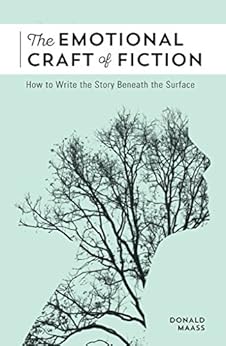
(Jenny suggested a book she loved: The Emotional Craft of Fiction by Donald Maas).


Step away from your MS for 3 weeks!

Jenny has a website! jennyproctor.com

Writer Website in A Weekend

Writer Website in A Weekend
Website